Introduction
In the dynamic world of photography and filmmaking, having the right gear can make all the difference in capturing breathtaking moments and creating compelling visual stories. Whether you’re just starting out or looking to upgrade your equipment, this comprehensive gear guide will help you navigate through the essential tools every aspiring photographer and filmmaker should consider.
1. Camera Selection
1.1 DSLR vs. Mirrorless: Which is Right for You?
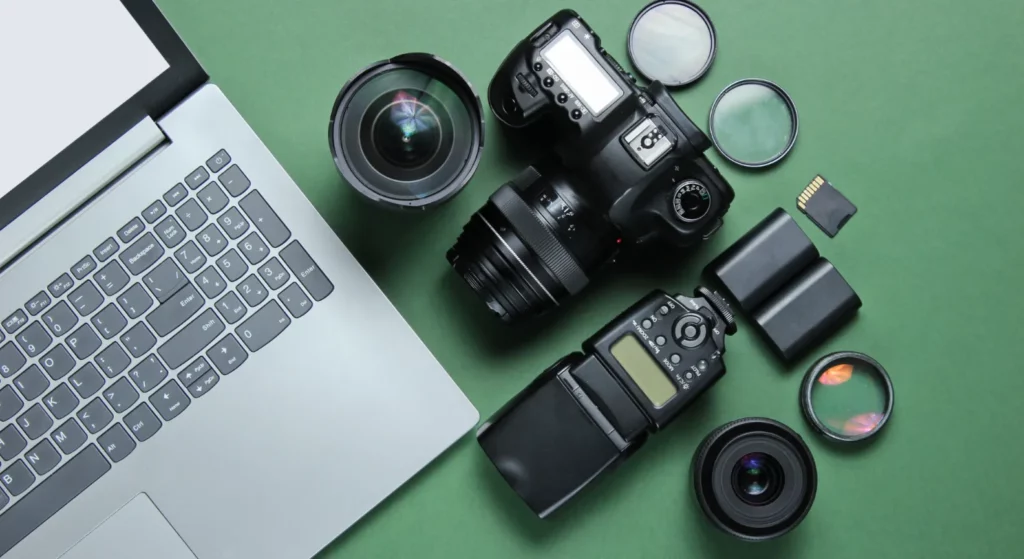
When choosing a camera, consider factors like size, weight, autofocus speed, and battery life. DSLRs offer optical viewfinders and extensive lens options, while mirrorless cameras are more compact and offer advanced features like silent shooting and in-body image stabilization.
1.2 Budget-Friendly Options for Beginners
For beginners, entry-level DSLRs or mirrorless cameras from brands like Canon, Nikon, Sony, or Fujifilm provide excellent image quality and versatility without breaking the bank.
1.3 Pro-Level Cameras for Advanced Users
Professional photographers and filmmakers may opt for high-end DSLRs or mirrorless cameras with full-frame sensors, robust build quality, and advanced autofocus systems for demanding shoots.
2. Lenses
2.1 Prime vs. Zoom Lenses: Pros and Cons
Prime lenses offer superior image quality, wider apertures for low-light shooting, and often have a more compact design. On the other hand, zoom lenses provide versatility, allowing you to frame shots without changing lenses.
2.2 Must-Have Lenses for Different Photography Styles
Consider lenses like a wide-angle for landscapes, a standard zoom for everyday photography, and a telephoto for wildlife or sports photography to cover a range of shooting situations.
2.3 Specialty Lenses for Creative Projects
Experiment with macro lenses for close-up photography, fisheye lenses for unique perspectives, and tilt-shift lenses for architectural or product photography.
3. Tripods and Stabilization
3.1 Importance of Stability in Photography and Filmmaking
A sturdy tripod is essential for long exposures, low-light photography, and shooting stable video footage. Look for lightweight carbon fiber or aluminum tripods with adjustable legs and a ball head for versatility.
3.2 Types of Tripods and Their Applications
Choose from traditional tripods, travel tripods for portability, or versatile tripod systems with interchangeable legs and center columns for various shooting scenarios.
3.3 Gimbal Stabilizers for Smooth Video Footage
Gimbals offer three-axis stabilization, ensuring silky-smooth footage even when shooting handheld. Consider motorized gimbals for professional video production or smartphone gimbals for mobile filmmaking.
4. Lighting Equipment
4.1 Natural vs. Artificial Lighting: Finding the Right Balance
While natural light provides soft, flattering illumination, artificial lighting allows for more control over the lighting setup. Combine both for creative effects and consistency in different shooting conditions.
4.2 Basic Lighting Kits for Indoor Shoots
Start with a basic lighting kit comprising softboxes, umbrellas, or LED panels for studio or indoor photography. Experiment with different lighting setups to achieve the desired mood and atmosphere.
4.3 Portable Lighting Solutions for On-the-Go Creativity
For outdoor shoots or on-location filmmaking, invest in portable LED lights, reflectors, or speedlights for added flexibility and control over lighting.
5. Audio Gear
5.1 Importance of High-Quality Sound in Videos
Clear, crisp audio is crucial for engaging storytelling and professional video production. Invest in quality microphones and audio recording equipment to capture clean sound.
5.2 Microphone Options for Different Recording Environments
Choose from shotgun microphones for directional sound, lavalier microphones for hands-free recording, or wireless microphone systems for interviews and on-location shoots.
5.3 Audio Recorders and Accessories for Professional Results
Pair your microphones with audio recorders like portable field recorders or audio interfaces for pristine sound quality and precise control over recording levels.
6. Editing Software
6.1 Choosing the Right Editing Software for Your Needs
Select editing software based on your skill level, workflow preferences, and compatibility with your operating system. Popular options include Adobe Premiere Pro, Final Cut Pro, DaVinci Resolve, and Lightroom for photo editing.
6.2 Essential Features to Look for in Editing Programs
Look for essential features like timeline editing, color correction tools, audio mixing capabilities, and support for various file formats to streamline your editing process and achieve professional results.
6.3 Tips for Mastering Editing Techniques
Practice editing regularly, watch tutorials, and experiment with different editing techniques to enhance your skills and develop your unique style as a photographer or filmmaker.
Conclusion
Investing in the right gear is essential for any aspiring photographer or filmmaker. By carefully selecting equipment that meets your needs and budget, you can unlock your creative potential and bring your vision to life with stunning imagery and compelling storytelling.
FAQs (Frequently Asked Questions)
- What is the best camera for beginners?
- The best camera for beginners depends on factors like budget, preferred shooting style, and future aspirations. Entry-level DSLRs or mirrorless cameras from reputable brands like Canon, Nikon, Sony, or Fujifilm offer excellent image quality and user-friendly features for beginners.
- Do I need to invest in expensive lenses?
- While high-quality lenses can significantly impact image quality, there are budget-friendly options available for beginners. Start with versatile kit lenses and gradually invest in prime or zoom lenses as you progress and discover your preferred photography or filmmaking style.
- Can I use my smartphone for filmmaking?
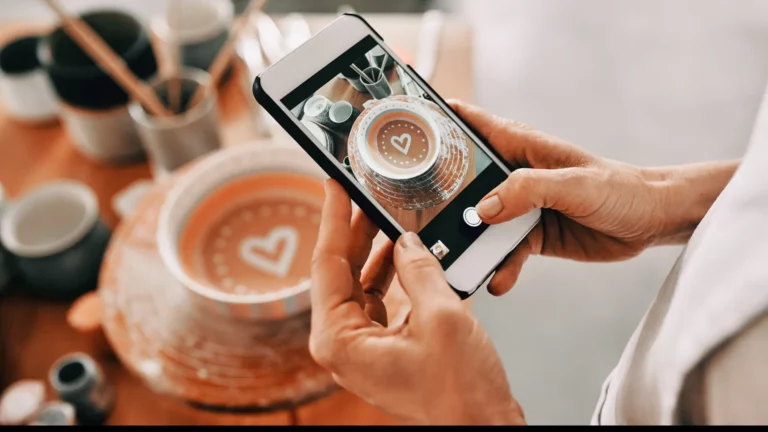
- Yes, smartphones are capable of capturing high-quality video footage, especially with advancements in camera technology. Many filmmakers use smartphones for vlogging, short films, or documentary-style videos, thanks to their portability and convenience.
- How important is audio quality in videos?
- Audio quality is equally important as video quality in creating engaging and professional-looking videos. Invest in quality microphones and audio recording equipment to ensure clear, crisp sound that enhances the overall viewing experience for your audience.
- Is it worth learning editing software?
- Learning editing software is crucial for refining your photography and filmmaking skills. Editing allows you to enhance your images and videos, correct mistakes, and convey your creative vision effectively. With practice and dedication, mastering editing software can elevate the quality of your work and set you apart as a skilled visual storyteller.